A challenge to INTERPOL data rarely stands alone. The same client may need a request to the Commission for the Control of INTERPOL's Files (CCF), a defence in an extradition court and human rights arguments that work in both. Our team is built around those three kinds of work.

Dmytro Konovalenko
Senior Partner, Attorney-at-lawAdmitted to the Bar (Certificate to practice law #001156) and a member of the International Bar Association. For more than five years he has defended clients against INTERPOL Red Notices and extradition requests, including requests from Russia, Ukraine, Uzbekistan and the United States.

Dr. Anatoliy Yarovyi
Senior PartnerOver a twenty-year career he has worked in a prosecutor's office and at multinational law firms. LLM, Stanford University (2013); PhD in Law. He represents clients before the European Court of Human Rights and in 2021 was among 15 candidates for the post of ECHR judge.
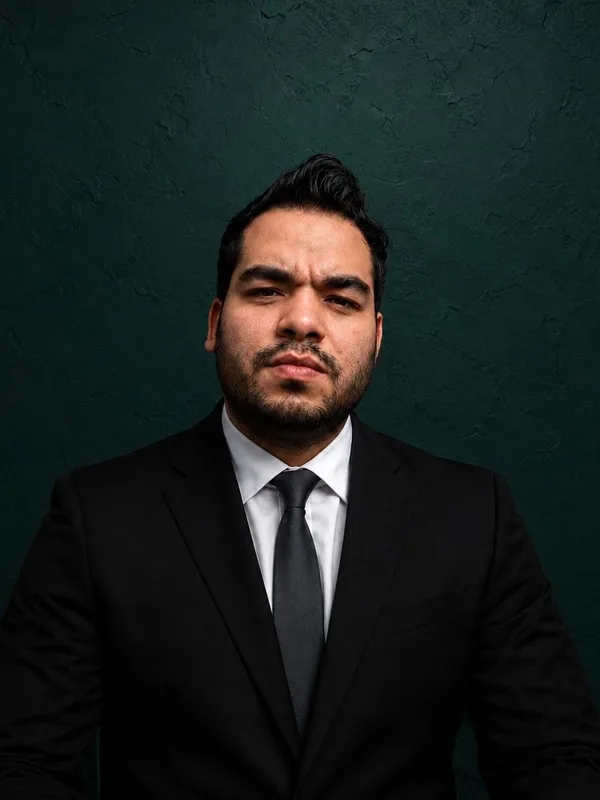
Ahmed Abdelmawgoud
Legal Adviser, Red Notice and CCF mattersPreviously a Legal Officer at the Commission for the Control of INTERPOL's Files, where he worked on access to, correction and deletion of data processed in INTERPOL's Information System. He now advises on INTERPOL notices and diffusions, CCF proceedings, extradition and data protection.
How the team divides the work
Ahmed Abdelmawgoud works on the CCF side of a case: access, deletion and revision requests and the evidence behind them. Dmytro Konovalenko handles Red Notice and extradition defence. Dr. Anatoliy Yarovyi brings human rights arguments, including before the European Court of Human Rights, which often matter both to an extradition court and to the CCF.
Where a matter needs a lawyer admitted in a particular country, we work alongside locally admitted counsel instead of presenting INTERPOL-data work as a substitute for representation in a national court. The steps of a typical engagement are set out on how we work.
What experience can and cannot change
Collegium of International Lawyers is an independent law practice and is not affiliated with INTERPOL or the CCF. Familiarity with the Commission's procedure helps in preparing a well-structured, evidence-led submission. It confers no private influence or privileged access: the CCF decides requests independently under its own rules, and extradition is decided by national courts and governments.